
Throughout history, rental housing has typically stayed stable amidst economic pressures due to cyclical forces present in the market, Arbor Realty Trust’s CEO and Chairman Ivan Kaufman and Chandan Economics’ Founder Sam Chandan write in Arbor’s Special Report | Summer 2022. Key Findings: The Federal Reserve continues to engage in aggressive monetary tightening. The rental housing sector is well-positioned to withstand growing economic headwinds because the cyclical forces that lower homeownership rates also historically have increased rental housing demand. Superstar cities must undertake strategies to address affordability and livability concerns to compete in a remote-work economy. Complete the form to instantly access the full report!

Small Apartment Assets Benefit from Outsized Millennial Representation in Regional Markets

As primary markets get increasingly expensive for housing, young adults at the beginning of their careers are moving into regional hubs. This movement is providing new growth opportunities for small asset investments.
Metro-Level Snapshot — Where are Millennials Concentrated in Small Rental Properties?

One way to look at the drivers for Millennial demand across US metros is to consider their concentration. Their concentration is shown here as an index of the Millennial share in small properties (5 to 49 units) to their share in the wider metro population.
Small Balance Multifamily Investment Snapshot — Q4 2017

Here’s a quick look at the small balance multifamily finance and investment benchmarks for Q4 2017.
Los Angeles Multifamily Rents Hit New Highs for 2017, Class B/C Vacancies Decrease

Los Angeles remained one of the more sought-after multifamily markets in the U.S. during 2017, as rent growth and investment volume ranked near the top nationally. The vacancy rate also remained low, despite an influx of new supply, and demand for additional housing remains high. The local economy has recovered from the recession, although high housing costs and restricted in-migration may slow expansion.
Dallas Multifamily Posts Strong 2017, Eyes on Supply & Demand Balance for 2018

The Dallas multifamily market posted strong results in 2017 as rent growth continued and investment activity was high. Vacancy — driven by an influx of new supply — increased, though levels remained well below previous highs.
Climate Resiliency Can Further Reduce Flood Risk Impacts on Multifamily Rents

With a lower share of inventory located in flood-prone areas, small buildings are more conservative in their risk profile and offer value for investment across the apartment market. Resiliency and Risk Landscape for Small Buildings Recent reports point to a counter-intuitive trend of how home prices and apartment rents are growing faster in flood prone areas. This trend is explained by the premium associated with scenic locations such as beach fronts and waterways, since they are also the most-prone to flooding. This varies across metro areas and asset class. As shown below, based on data obtained from the American Housing Survey (AHS) 2015, around 8% of all small apartment building units in the United States were located within areas assessed with a high risk of flooding. In large buildings the share was slightly larger at 10%. The risk assessment for apartment buildings and their units varies greatly across metro areas. The data indicates that small buildings displayed a tighter spread around the national average compared to large buildings. An indication of the preference for scenic, albeit riskier, locations characterize the Read the full article…
Q4 2017 Small Balance Multifamily Investment Trends Report
Aided by growth in agency lending and refinancing activity, the volume of new multifamily loans with balances between $1 million and $5 million reached $49.8 billion during 2017
How Apartment Community Size Impacts Unit and Neighborhood Ratings

For their relatively lower rent levels, small apartment properties are surprisingly well-rated by their occupants, both in terms of unit quality and the neighborhoods in which they are located.
U.S. Multifamily Year in Review 2017 – Still Going Strong

The U.S. multifamily market continued to post strong results during 2017. Rent growth slowed, although remained healthy, and appears to have peaked in 2015.
Small Buildings Still Dominate Apartment Renter Shares
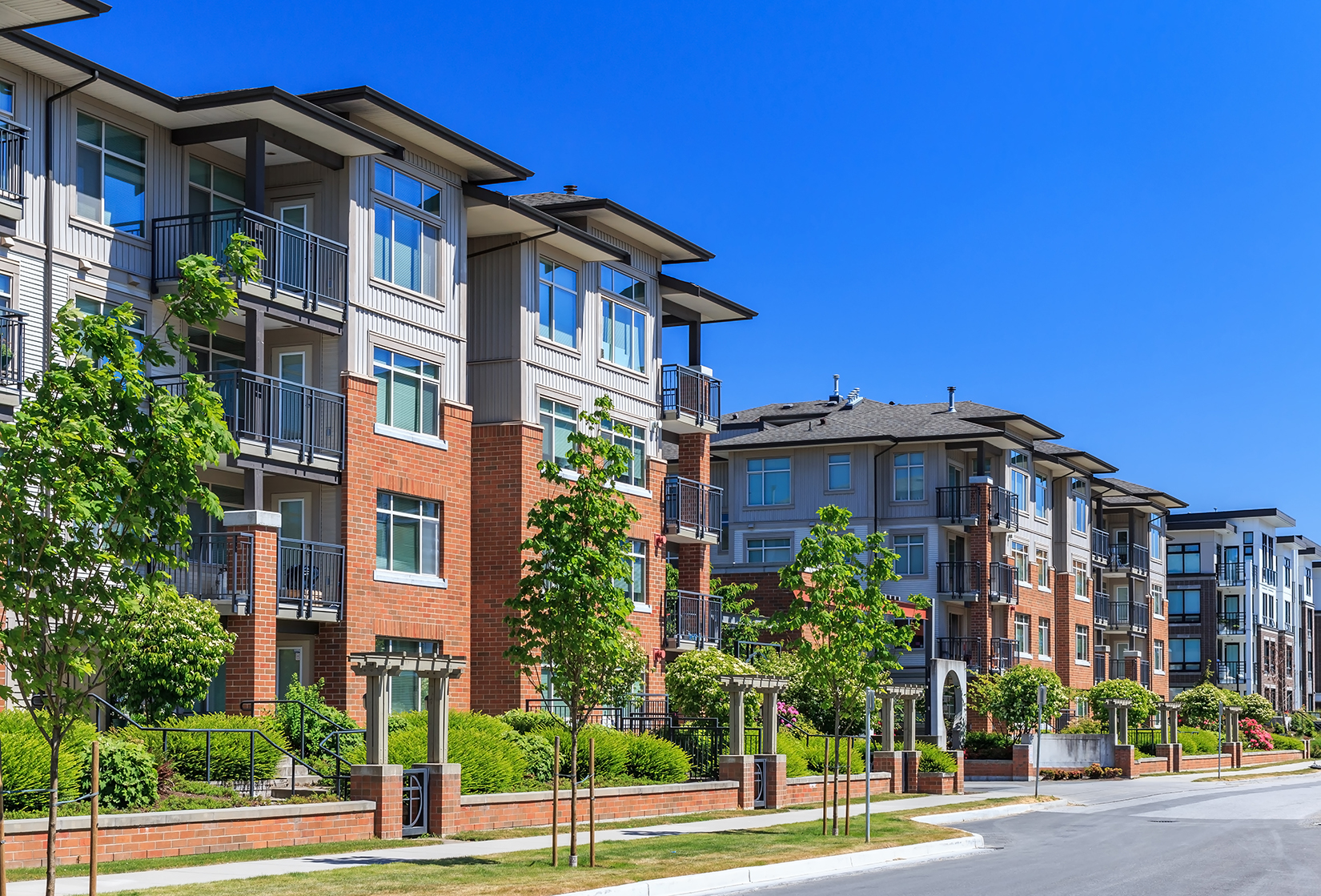
While a majority of apartment renters continue to live in small properties, renter growth in this property class is facing headwinds from large asset oversupply and rental incentives.