

Financing a Build-to-Rent Community Through Construction, Lease-Up, and Stabilization
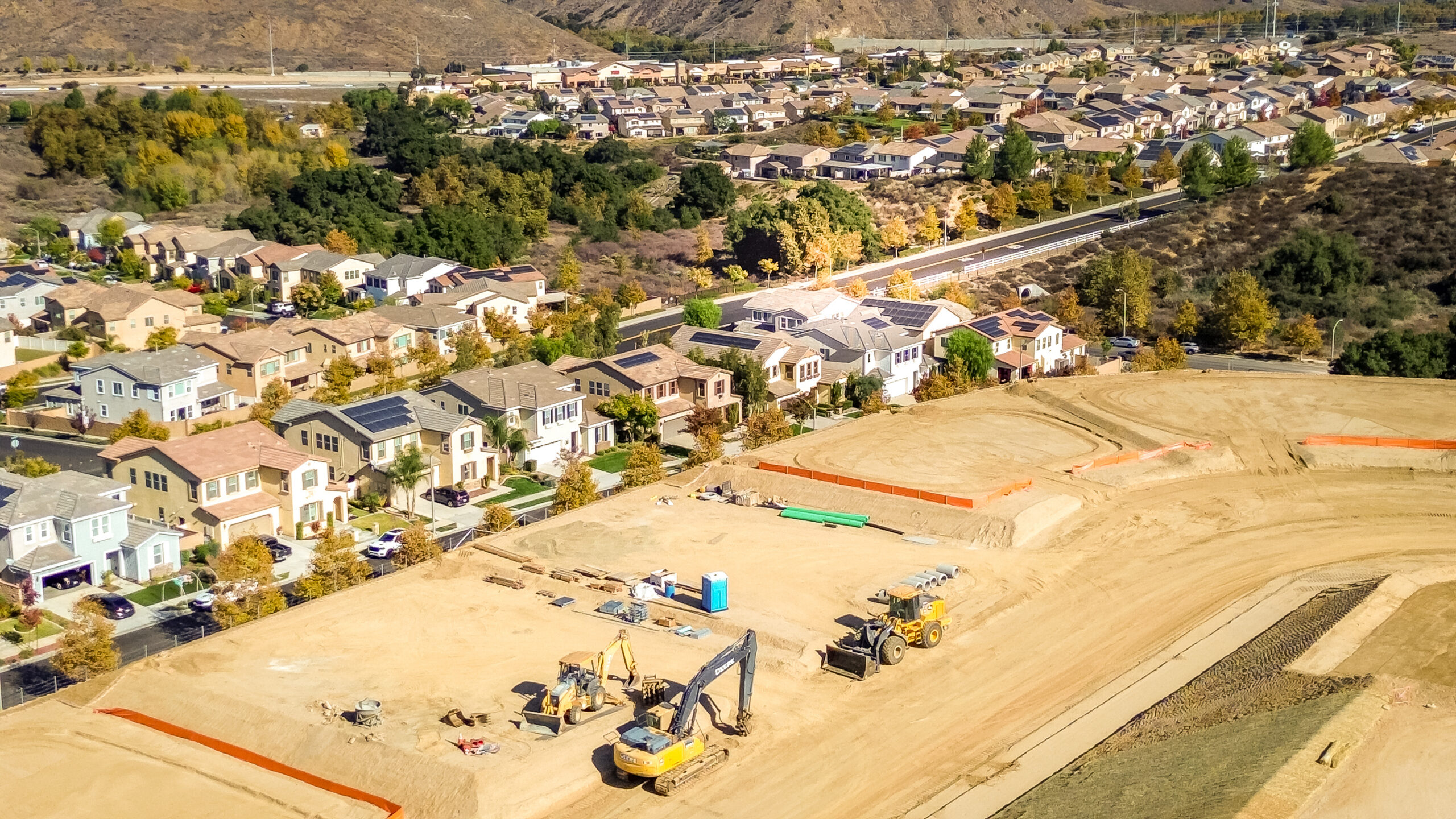
- Arbor closed an $802 million build-to-rent collateralized loan obligation on May 30, 2025, the first CRE CLO to include loans for the ground-up development of any property type.
- The transaction earned Arbor IMN's SFR Securitization of the Year Award in 2025.
- Arbor's build-to-rent (BTR) program carries a deal through construction, lease-up, and stabilization under one lender relationship, so a sponsor does not re-underwrite the project at each stage.
- Arbor Private Construction (APC) pairs short-term, floating-rate construction financing with Arbor's existing permanent loan programs.
- Arbor services every loan it originates in-house, keeping the same team engaged from land closing through the agency refinance that follows stabilization.
Single-family rentals (SFR) now house 41% of the U.S. renter population, according to Rentometer Mid-Year Report 2025: National Trends in Single-Family Rental Markets. Arbor provides investors with short-term and long-term SFR financing to meet this growing demand. Whether a sponsor is developing a build-to-rent (BTR) community, holding an SFR portfolio long-term, or acquiring assets to rehab, Arbor finances build-to-rent (BTR) communities across construction, lease-up, and stabilization under one lender relationship, backed by the strength of an $802 million BTR collateralized loan obligation Arbor closed in May 2025.
What Is Build-to-Rent Construction-to-Permanent Financing?
Construction-to-permanent financing funds a property through ground-up construction, then converts into long-term permanent debt once the property stabilizes. Build-to-rent communities are purpose-built SFR neighborhoods built specifically for tenant occupancy.
Arbor’s BTR program moves a deal through three stages under a single lender relationship:
|
Stage |
What’s Happening |
What Arbor Provides |
|
Construction |
Land closing through vertical construction |
A ground-up construction loan, funded at land purchase when the project is shovel-ready and approvals are in place |
|
Lease-Up |
First units come online and begin renting |
The same construction loan carries the deal; no second lender is needed for the bridge phase |
|
Stabilization |
Occupancy and rent support long-term pricing |
A refinance into permanent debt: Fannie Mae, Freddie Mac, Federal Housing Administration (FHA), Bridge, Non-Agency or Commercial Mortgage-Backed Securities (CMBS) |
The same underwriting and servicing team carries the deal from land closing through the agency refinance that follows stabilization. A sponsor does not re-underwrite the project with a new lender at each stage, and Arbor is one of the few multifamily lenders that covers all three under one relationship. That means less time spent applying for new loans and resubmitting the same underwriting documentation at every stage.
How Does Arbor Finance a BTR Community From Construction Through Lease-Up?
Arbor can fund a project at the time of land purchase once a project is shovel-ready and municipal approvals are in place. That construction loan carries the deal through vertical construction and into lease-up, when the first units begin renting.
Arbor offers two construction financing paths, depending on the project.
|
Program |
Best For |
Structure |
|
BTR Construction-to-Permanent |
Ground-up build-to-rent communities |
Construction to Bridge to Permanent, one lender across all stages |
|
Arbor Private Construction (APC) |
Multifamily investors building for long-term ownership |
Short-term, floating-rate construction financing, paired with Arbor’s existing permanent programs |
Arbor’s national platform supports execution through existing relationships with institutional sponsors and equity partners. Because Arbor services every loan it originates in-house, the same team tracking rent-up progress against the original underwriting decides when a deal is ready to move toward permanent takeout. Eligible BTR property types include single-family homes, townhomes, row homes, and two- to four-unit assets.
What Happens When a BTR Community Reaches Stabilization?
Once a BTR community stabilizes, Arbor can refinance the construction or bridge loan into permanent debt, including Fannie Mae, Freddie Mac, and FHA agency execution, under the same lender relationship.
Stabilization is the point when occupancy and rent reach a level that supports permanent, long-term debt pricing instead of short-term construction pricing. Arbor’s SFR platform covers that transition directly, along with Arbor Private Construction. Permanent takeout options include Fannie Mae, Freddie Mac, FHA, Bridge, Non-Agency, and CMBS execution.
Arbor’s SFR platform closes faster across that transition, since the lender pricing the permanent loan already holds the construction file and the property’s full performance history. The sponsor works with one point of contact from land closing to the agency takeout.
How Does Portfolio-Level BTR Financing Work?
Arbor finances BTR portfolios at scale through securitization. On May 30, 2025, Arbor closed an $802 million collateralized loan obligation backed by BTR loans, led by JPMorganChase, according to Arbor’s closing announcement.
That transaction was the first CRE CLO to include loans issued for the ground-up development of any property type. It included loans secured by BTR properties across four stages:
- Horizontal construction
- Vertical construction
- Post-construction lease-up
- Stabilized operation
Arbor won IMN’s SFR Securitization of the Year Award in 2025 for this transaction.
For an operator financing several BTR communities at once, that securitization capacity lets Arbor hold and manage loans across a portfolio at different construction and lease-up stages under one financing relationship. A property company adding new communities every year can underwrite the next loan against a portfolio track record, using the same balance sheet and servicing team that closed the first one.
Arbor is a non-bank lender, so there are no deposit requirements tied to the loan relationship. Arbor’s agency relationships have also helped familiarize Fannie Mae and Freddie Mac with BTR as an asset class, and BTR offers amenities, such as backyards and garages, that support the agencies’ mission of expanding rental supply.
Interested in the multifamily real estate investment market? Contact Arbor today to learn about our array of multifamily, single-family rental, and affordable housing financing options or view our multifamily articles and research reports.
Frequently Asked Questions
Is Arbor’s BTR construction-to-permanent loan a single loan, or separate loans with the same lender?
Arbor’s program uses Construction-to-Bridge-to-Permanent debt solutions, meaning separate loan stages underwritten by the same lender.
Who led Arbor’s $802 million build-to-rent CLO?
JPMorganChase led the securitization, which closed on May 30, 2025 and included loans across construction, lease-up, and stabilized BTR operation.
Does Arbor’s SFR platform cover purchased rental portfolios, not just new construction?
Yes. The platform also offers bridge-to-permanent financing for stabilized SFR portfolios sponsors acquire, alongside its build-to-rent construction offering.
Can a BTR sponsor combine a senior loan with preferred equity through Arbor?
Yes. Arbor offers senior loans and preferred equity together, letting sponsors close both components under a single lender relationship.