

America’s Aging Rental Stock is Driving Demand for Smarter Capital Solutions
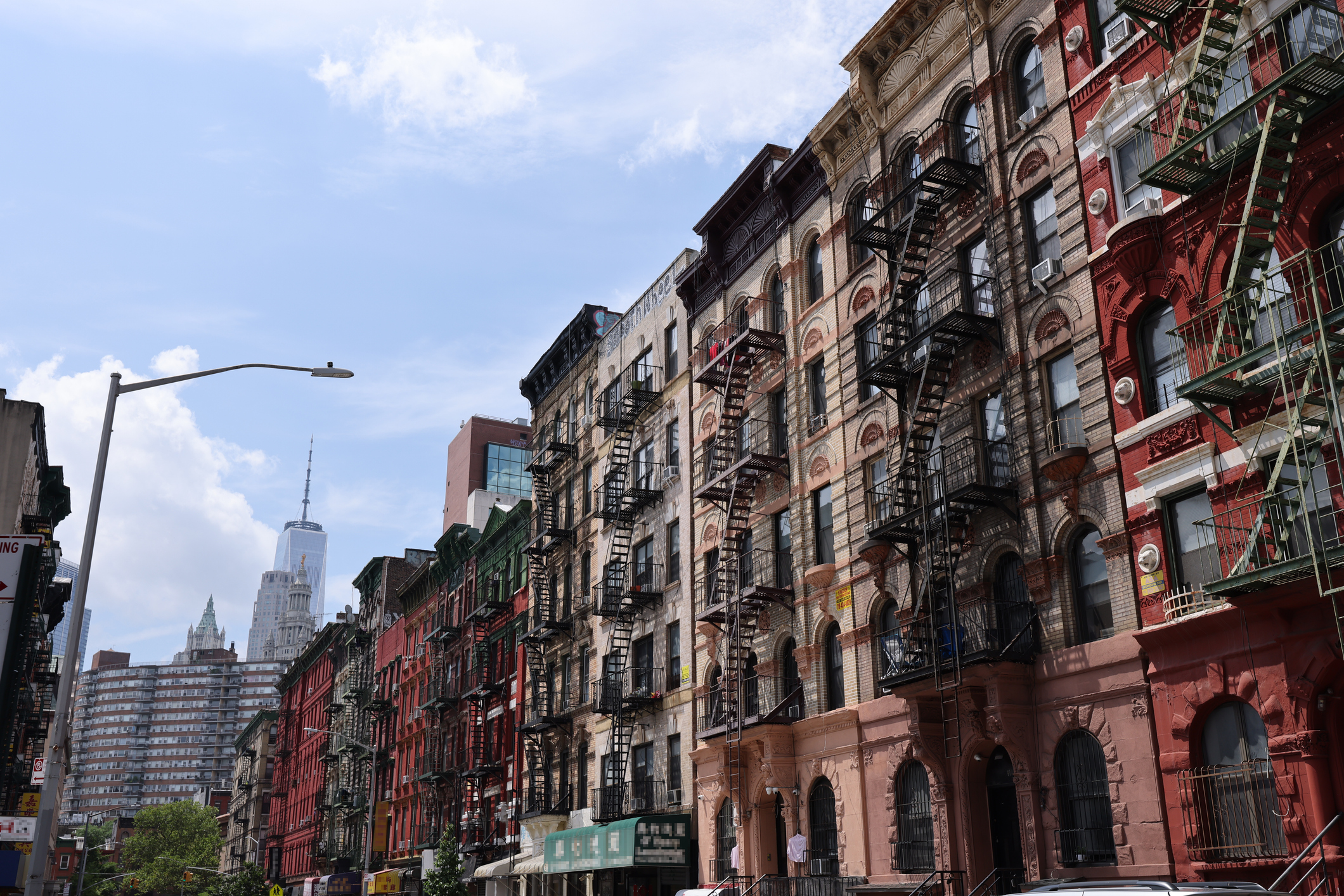
- At a median age of 45, the U.S. rental housing stock is older than ever before.
- About 18.8 million units, or 41%, of all rentals needed at least one repair in 2024.
- Approximately 3.6 million renter households live in moderately or severely inadequate housing.
The nation’s rental housing is older than at any point on record, with a median age of 45 years, according to the 2026 America’s Rental Housing report from Harvard’s Joint Center for Housing Studies (JCHS). America’s aging housing stock has created unique opportunities as the need for capital investment to rehabilitate and preserve affordable housing units rapidly rises.
A Record-Old Rental Housing Stock
The U.S. rental market is experiencing a paradox: multifamily completions have been running near historic highs yet the median age of a rental climbed nearly 10 years over the past two decades.
About 18.8 million units, or 41% of the national rental stock, needed at least one repair in 2024 at a collective cost of more than $70 billion, the report said, citing the Federal Reserve Bank of Philadelphia. Additionally, roughly half of all pre-1940 rental units require repairs, compared to about 30 percent of newer apartments.
Meanwhile, 3.6 million renter households — 8% of all renters — live in moderately or severely inadequate housing with structural deficiencies in basic systems, such as plumbing, heating, or electrical. In communities nationwide, there is a shortage of quality, affordable rental housing.
The supply of units renting for less than $1,000 per month fell by 7.3 million units between 2014 and 2024, while the number of renters living in inadequate units continued to rise, up by 27,000 households since 2003.
Older Buildings Are More Vulnerable to Climate Disasters
Beyond routine deterioration, aging properties also face increasing exposure to climate-related risks. Some 48% of rental housing units built between 2000 and 2023 were in areas with at least a moderate risk of weather and climate-related threats, twice the percentage of rentals built before 1940, according to JCHS and the Federal Emergency Management Agency (FEMA). A recent Arbor and Chandan Economics analysis also found that several of the top markets for multifamily building permits in 2025 were in higher-climate-risk regions such as Florida.
However, older units’ higher rates of physical inadequacy make them more vulnerable to disaster damage despite their lower exposure risk. Further, if older units do not receive the necessary investment to adapt to and withstand environmental hazards, a significant portion of the rental supply risks becoming uninhabitable, the report said.
Investment Needed to Help Capture Strong Long-Term Rental Demand
The U.S. had 46.1 million rental households in 2025, up 2.1% year-over-year, according to JCHS and the U.S. Census Bureau, and rising as structural factors such as demographics and the economy support long-term rental demand. With households needing an income above $120,000 to afford the median-priced home as of late 2025, home ownership remains out of reach for millions, underscoring the need for more affordable housing in America.
The 2026 expansion of the Low-Income Housing Tax Credit (LIHTC) in the One Big Beautiful Bill Act (OBBBA) is poised to increase eligibility for many rehabilitation projects. Congress’s pending 21st Century ROAD to Housing Act also includes a Whole-Home Repairs pilot program that would provide forgivable loans to landlords for home repairs that increase energy and water efficiency, resilience, weatherization, habitability and safety concerns, or accessibility needs. But the report notes that recent funding cuts and the large volume of aging rentals mean investors can’t rely on government support to fill funding gaps.
When choosing financing options, investors should consider a multifamily lender that offer flexible solutions, understands construction and operating risk, and will serve as a capital partner rather than a capital provider. Borrowers interested in affordable housing can take advantage of a range of value-add financing options tailored to their properties’ unique conditions and repair needs, including:
- Bridge financing: Acquire or refinance an older property to fund repairs or renovations
- Preferred equity: Fill the gap between senior debt and sponsor equity
- Mezzanine debt: Increase leverage during rehab without refinancing a senior loan
- FHA loans, including FHA 221(d)(4): Can be used for the construction or significant rehabilitation of multifamily properties
Expanding and Preserving Affordable Rental Housing
As aging properties face mounting repair needs, climate risks, and affordability pressures, lenders with the scale, expertise, and flexibility to support rehabilitation and long‑term ownership will play an essential role. With housing costs rising, the window of opportunity for capital investment in affordable rental housing is widening as the need to strengthen the backbone of local neighborhoods grows every year.
Interested in the multifamily real estate investment market? Contact Arbor today to learn about our array of multifamily, single-family rental, and affordable housing financing options or view our multifamily articles and research reports.